

Women in politics and peace: Our results and lessons
 29-01-2026
 2 mins
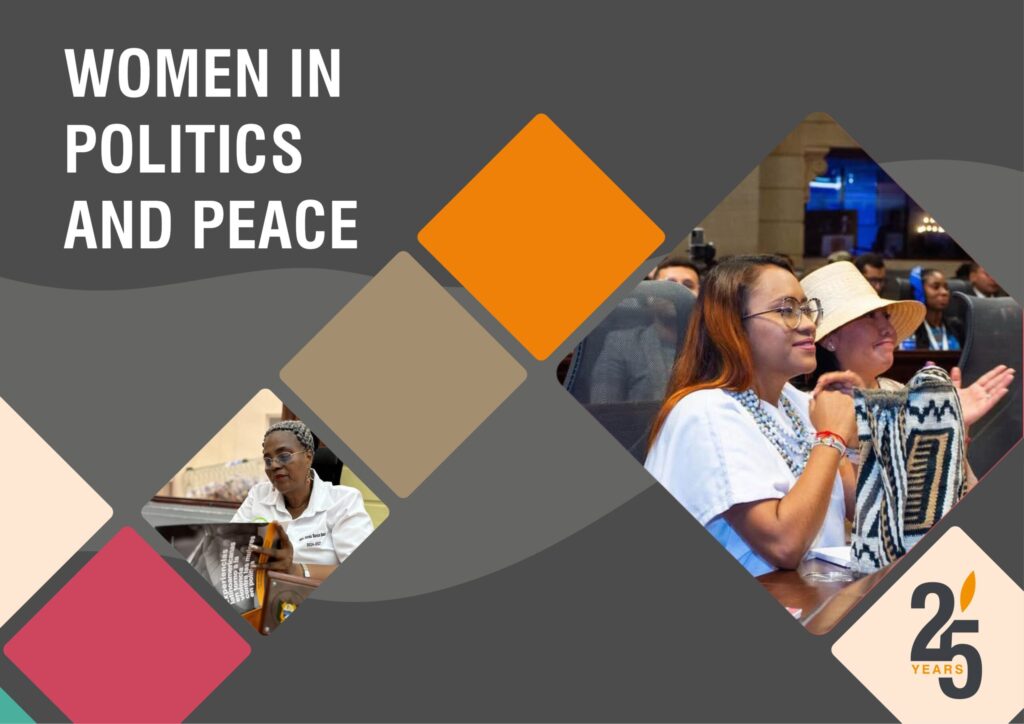
Women’s leadership in peace processes delivers proven results—yet women remain systematically excluded from decision-making spaces. NIMD works to close this gap, step by step.
From 2021 to 2025, NIMD led the LEAP4Peace programme in Burundi, Colombia and Myanmar, funded by the Netherlands Ministry of Foreign Affairs under its Women, Peace and Security (WPS) Grant. The programme built a conducive environment for women’s full and meaningful participation in politics and peace. Simultaneously, as an INGO partner of the Rapid Response Window (RRW) of the Women’s Peace and Humanitarian Fund (WPHF), NIMD provided more than 14 grants to women’s organizations supporting their political advocacy in peace negotiations and agreement implementation.
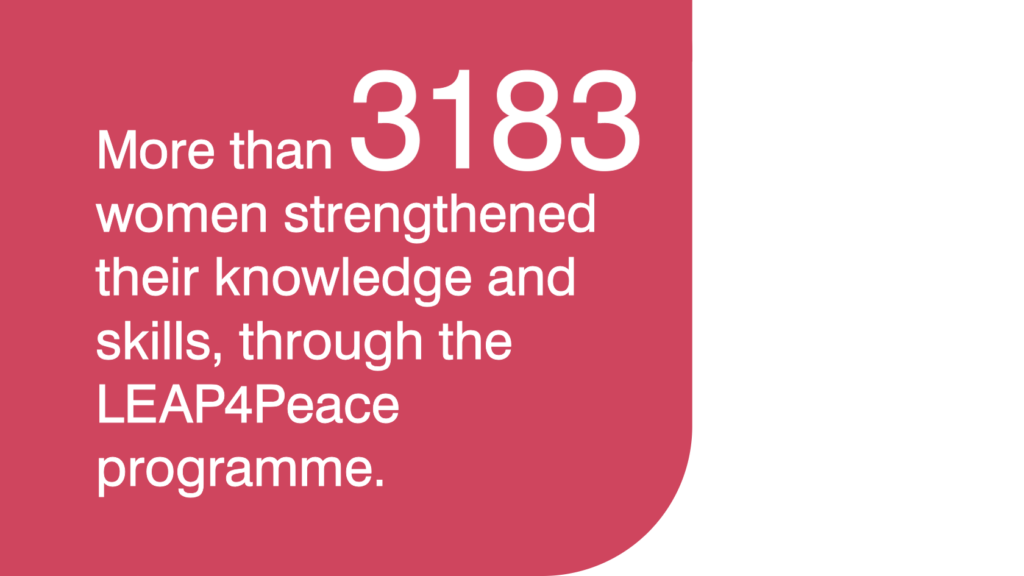
Now we present to you our key results and lessons learned across our programmes.
Read the full publication here.
What we learned
Through LEAP4Peace and our work with the WPHF, five key lessons emerged about effective strategies for advancing women’s participation in peace and politics:
- Peacebuilding is political. Women’s participation in and influence over peace and security is achieved by both supporting women’s political leadership and working with political institutions. This also means recognizing the different entry-points and roles from which women engage in politics and in peace.
- Investing in women’s capacity; safe spaces for dialogue; trust building; and the creation of networks and joint agendas among diverse women is an effective strategy to influence the transformation of political actors and create a conducive environment and public policies. Through these strategies, women take ownership of processes and engage actively in advocacy initiatives.
- Adaptability is key; approaches must be gender-responsive. They must respond to specific needs in terms of training spaces, safety concerns and barriers.
- In contexts affected by conflict and/or where civic space is restricted, strategies to expand participation in politics and in peace need to work across different levels, from grassroots to national. Women social and political leaders at the local level play a key role in localizing and implementing the WPS agenda.
- Partnerships are key to amplifying change. In the case of LEAP4Peace, partnerships with national women’s organizations, women’s networks, national institutionality and district or local level institutions allowed increased reach and sustainability of the progress made.