



Why democracy matters more than ever
 08-10-2026
 2 mins
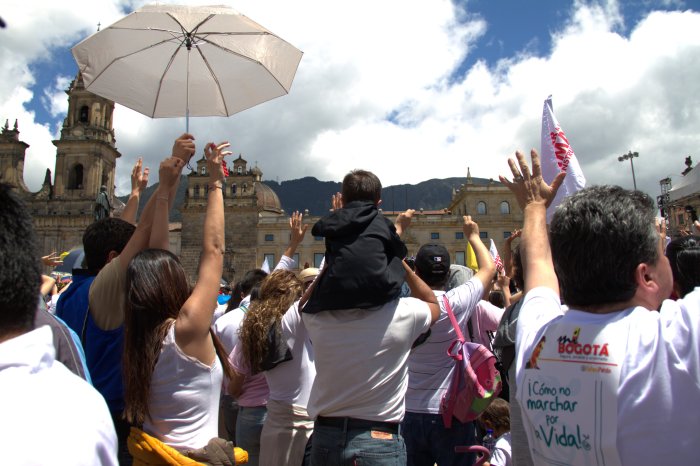
Only 7% of the world’s population lives in a liberal democracy. But why should this be of concern to all of us, and what is NIMD doing about it.
For the average person in the world, democracy has sunk back to 1978 levels, to a time before the fall of the Berlin Wall. According to the V-Dem Institute’s Democracy Report 2026, only 7% of people worldwide live in a liberal democracy, while 74% live under autocracy. This decline is more than a statistic, it shows that the very principles behind peaceful and prosperous societies wearing away, as more people live under regimes that ignore their rights and voices.
NIMD believes strongly in a future where people can live in peace, prosper and thrive. We believe that future depends on a democracy that is responsive and inclusive.
What democracy makes possible
Democracy, in its many forms, is the only system of government founded on the equality of every individual, and the only one able to serve the interests of society as a whole in a fair way. Strong institutions and a free, independent media hold the powerful to account, which improves the quality of governance. Studies have shown that people living in a democracy are likely to live longer and to enjoy greater happiness and life satisfaction.
Democracies also foster more stable societies. By including all groups and resolving conflict through dialogue rather than violence, they help prevent marginalisation and social unrest.
More than elections
Holding elections and setting up a parliament, government and political parties is not enough on its own. A country can officially be a democracy and still face conflict, with some voices going unheard. True democracy depends on values like responsiveness, inclusiveness and respect for diverse opinions.
NIMD works on two levels. It helps politicians and political institutions build the skills, knowledge and structures to meet people’s needs and amplify the voices of all groups. And it promotes a culture of trust and respect across political divides, so that politicians can work together on effective policies for their country.
Why it matters beyond borders
Attacks on democracy endanger us all. When democratic principles are undermined, division and conflict follow, and national instability often cascades into global instability. Rising authoritarianism, climate-driven conflict and the resurgence of terrorist groups damage business interests, disrupt supply chains and intensify migration pressures. By tackling these issues at their roots, NIMD aims to prevent those ripple effects.
What this looks like in practice for us
NIMD Burundi brought together 60 stakeholders in July 2026, from political parties and public institutions to religious leaders, civil society and media. Each group made concrete pledges to keep the May 2027 presidential election inclusive, transparent and peaceful.
NIMD Jordan launched the country’s first interparty dialogue programme in 2025, bringing together all nine parliamentary parties. After 33 sessions, every party adopted a joint consensus document on local administration.
In Colombia, NIMD Colombia brought together more than 500 young people to co-create a joint declaration on youth participation, giving lawmakers valuable insight into the needs and challenges young people face.
Find out more about the work of NIMD around the world here.