

Cross-Country Networks for Gender-Responsive Transitional Justice
 26-03-2026
 3 mins
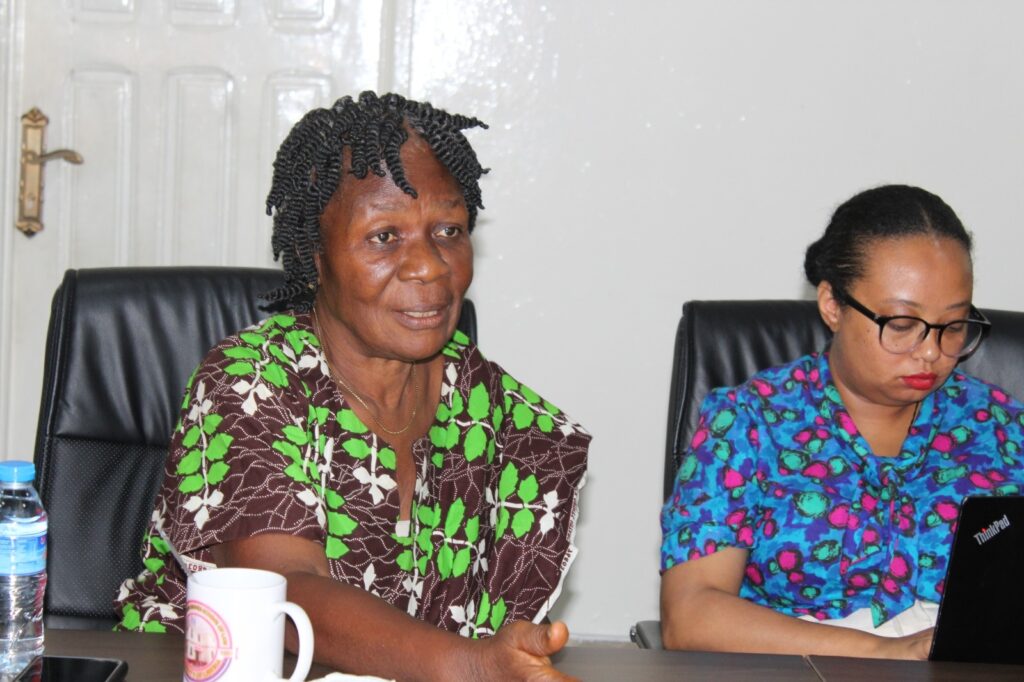
“I was part of the disarmament process for fighters to lay down their arms.” Ma. Korpo, member of the Women in Peacebuilding Network (WIPNET).
Women play a pivotal role, not only in ending conflict, but also in laying the foundation for sustainable peace. Women and girls are also often among the most affected populations, experiencing multiple forms of violence and bearing the burden of protecting and sustaining their families and communities. But beyond their experiences as victims, women have consistently demonstrated leadership as mediators, peacebuilders, and agents of reconciliation. Post-conflict women continue to play a critical role in transitional justice processes, ensuring that transitional justice processes are inclusive, survivor-centered, and responsive to the needs of affected communities.
In Liberia women played a transformative role in the country’s peace movement through grassroots mobilisation and advocacy efforts that helped advance peace negotiations and national dialogue. Since then, women’s organizations and civil society groups have continued to advocate for gender equality, reconciliation, and women’s leadership in governance and peacebuilding. Their efforts have built significant institutional expertise in centering women’s voices in peace and reconciliation mechanisms.
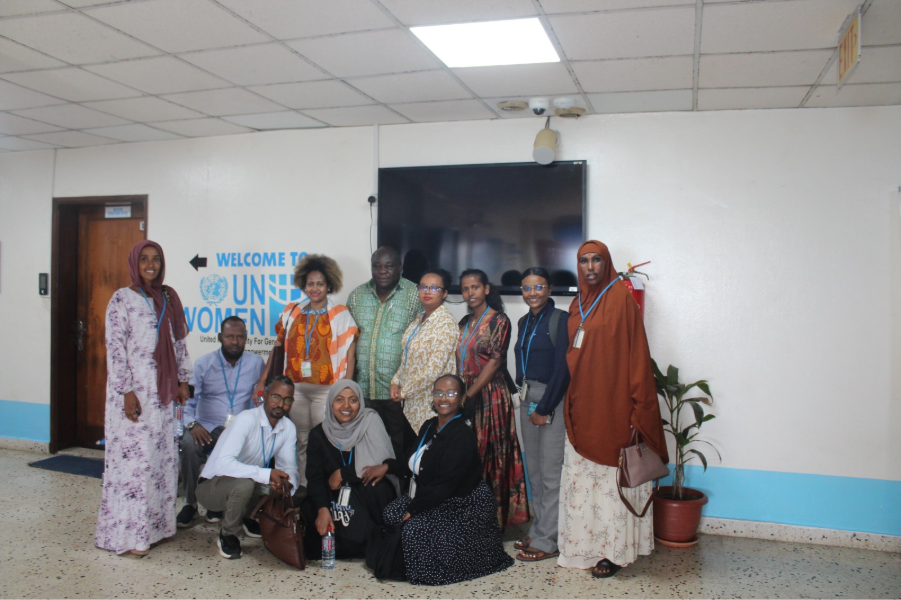
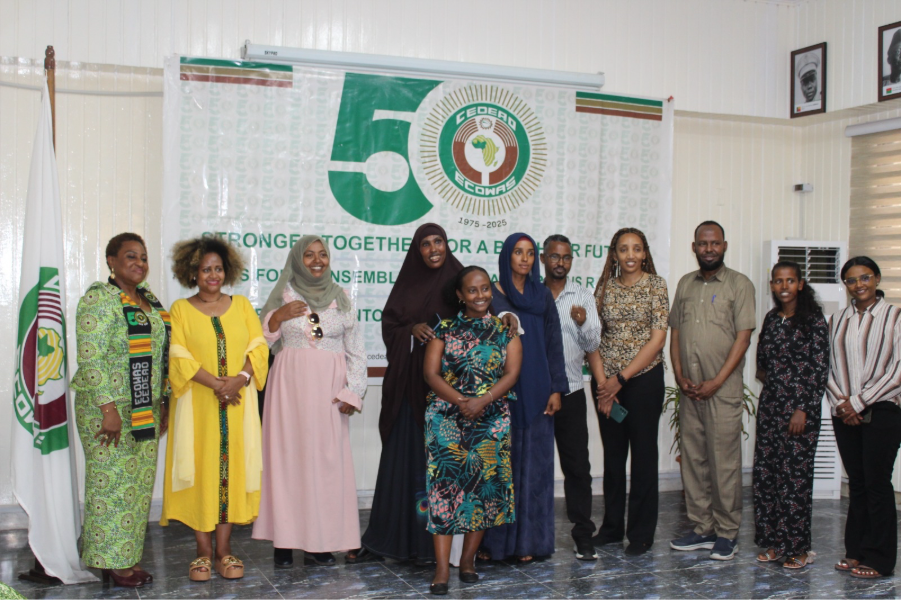
Last week, an Ethiopian delegation working on transitional justice travelled to Liberia for a peer learning visit, focused on gender-responsive and survivor-centered approaches to reconciliation. Ethiopia has been experiencing periods of violent, ethnic conflicts, severely affecting the rights and participation of women. This exchange took place under the UN Women, Peace and Humanitarian Fund Rapid Response Window (RRW) programme. Liberia’s depth of experience made it a natural learning partner for Ethiopia, where similar work is gaining momentum.
An exchange across the full spectrum
Inclusivity is paramount in gender-responsive transitional justice and cannot be driven by one group alone. It requires coordination across the full landscape of actors who shape how societies reckon with their past. The visit reflected this. The Ethiopian delegation itself included a wide range of participants — from survivor groups and civil society organisations to institutional leaders. In Liberia, they engaged with an equally broad set of counterparts: from the Ministry of Gender, Children, and Social Protection to the War and Economic Crimes Court and the UN Women office.
What participants took away
Welcoming the delegation, NIMD Liberia Country Director Oscar Bloh outlined Liberia’s ongoing efforts to implement recommendations from the Truth and Reconciliation Commission. This included the establishment of a War and Economic Crimes Court to seek justice for the survivors and victims of the atrocities committed between 1989 and 2003, and the strengthening of the mandate of the Independent National Commission on Human Rights.
While meeting with civil society organizations, the Vice President of the Association of Female Lawyers of Liberia, Cllr. Bouwulo Kelley, stressed the importance of moving beyond rhetorical commitments toward concrete action. She called for stronger political will to implement transitional justice measures, including the pursuit of reparations for survivors of Liberia’s civil wars.
Looking ahead, Marion Deniaud, of the UN High Commissioner for Human Rights, emphasized that transitional justice processes require patience and long-term commitment, “there is no quick fix to address the harm that has affected people on so many different levels.”
Looking ahead
The delegation’s final stop was the Du Port Road Massacre Memorial site, a designated memorial and mass grave for the victims of the Liberian civil war. A stark reminder that transitional justice is not abstract. It is felt in communities and weighs heavily on the victims and their families. The knowledge exchanged on this visit travels home alongside that weight: a growing network of women across contexts and borders, committed to the long and necessary work of reconciliation.
One of Delegation member from the Human Rights Commission of Ethiopia reflected – “Regional collaboration matters because Liberia shows that truth alone is not enough—justice takes time and pressure. From the Truth and Reconciliation Commission of Liberia to ongoing court efforts, the process is still unfinished. Working together across Africa helps us move faster from truth to real accountability.”
The Rapid Response Window programme is an initiative of the UN Women’s Peace and Humanitarian Fund. NIMD has been fortunate to collaborate with the fund since June 2021, helping to support women peacebuilders and women-led civil society organizations with flexible, rapid financing, ensuring they can adapt their programmes to sudden changes and ensure the maximum impact on their communities.