Building trust between citizens and local authorities in El Salvador
 14-04-2026
 3 mins
In El Salvador, the relationship between civil society and the state has fractured. The breakdown of trust between these two key actors is having a damaging effect on the country’s democratic and civic space. And, by extension, the communities that depend on it.
NIMD El Salvador is working to rebuild trust between citizens and local representatives, with the longer-term aim of extending these gains to the national level. Their work focused on strengthen capacity for both civil society and officials in public institutions; creating safe spaces for dialogue; and showing that art, culture and sport are powerful tools for bringing together diverse political actors around shared goals for their communities.
Tailored schools
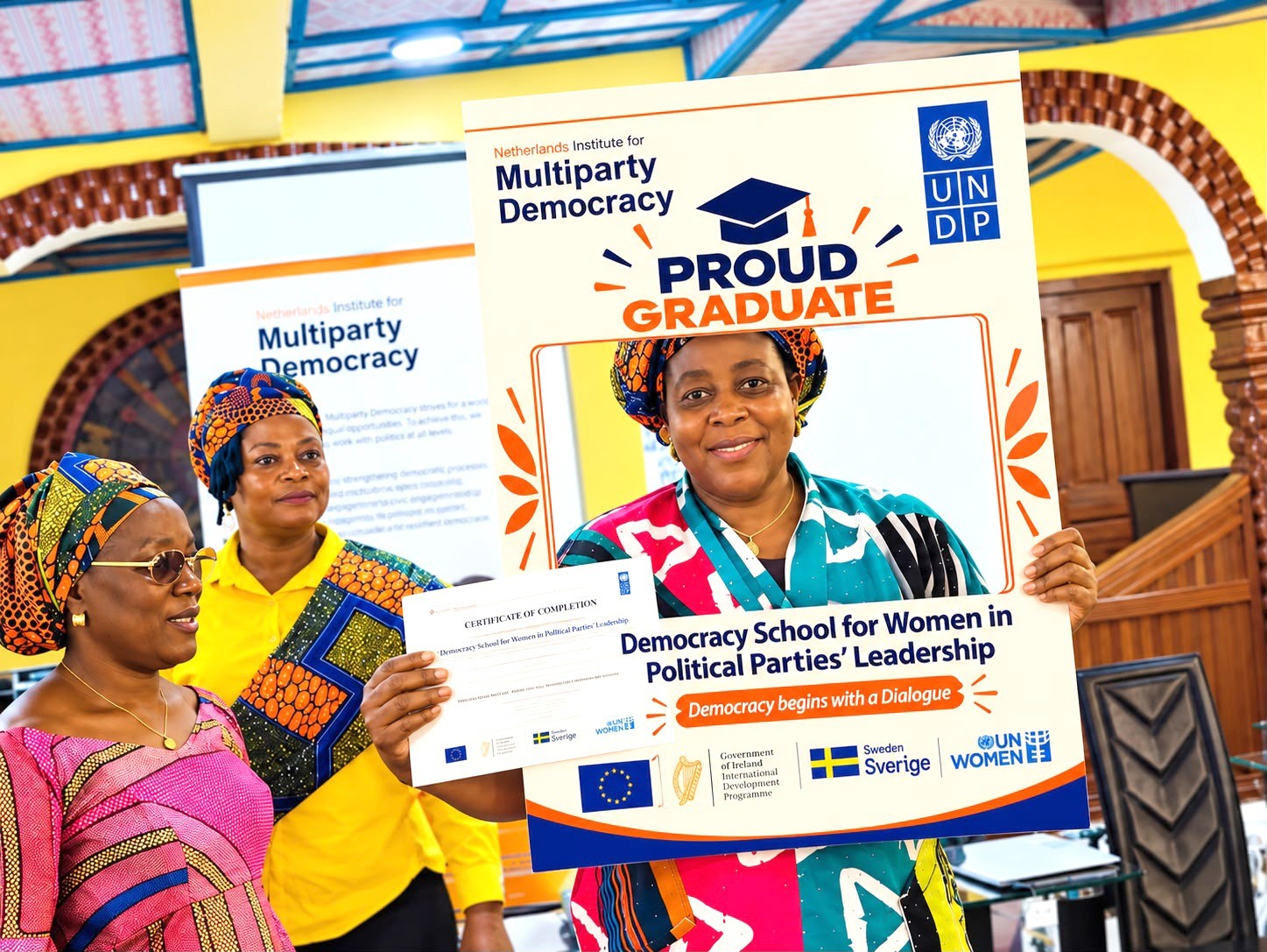
To strengthen the capacity for both civil society and public institution officials NIMD El Salvador implemented NIMD Democracy Schools tailored to the needs of local leaders and young people in urban and rural areas. Communities that often feel that public institutions act in a distant and non-inclusive manner. NIMD El Salvador strives to decentralise political education opportunities, engaging participants from across the country, including the distant rural areas.
Travel distances and transport connectivity issues, however, make it difficult for young people to commit to lengthy programmes requiring weekly travel from their communities. In response, we developed a one-week intensive Democracy School, which, which ensured full attendance, established a safe space for connection among young people, where participants freely shared their opinions and experiences without fear of retribution. The team deepened integration of the alumni groups through both formal training activities (such as talks or workshops) and informal social interactions to build relationships alongside skills.
Promoting dialogue
Through governance, dialogue and gender workshops – aimed at public officials – the team promotes tools for dialogue with citizens and emphasises the importance of their active participation in decision-making. The goal: For officials to view citizen participation in their processes not as a hindrance, but as an essential part of their work.
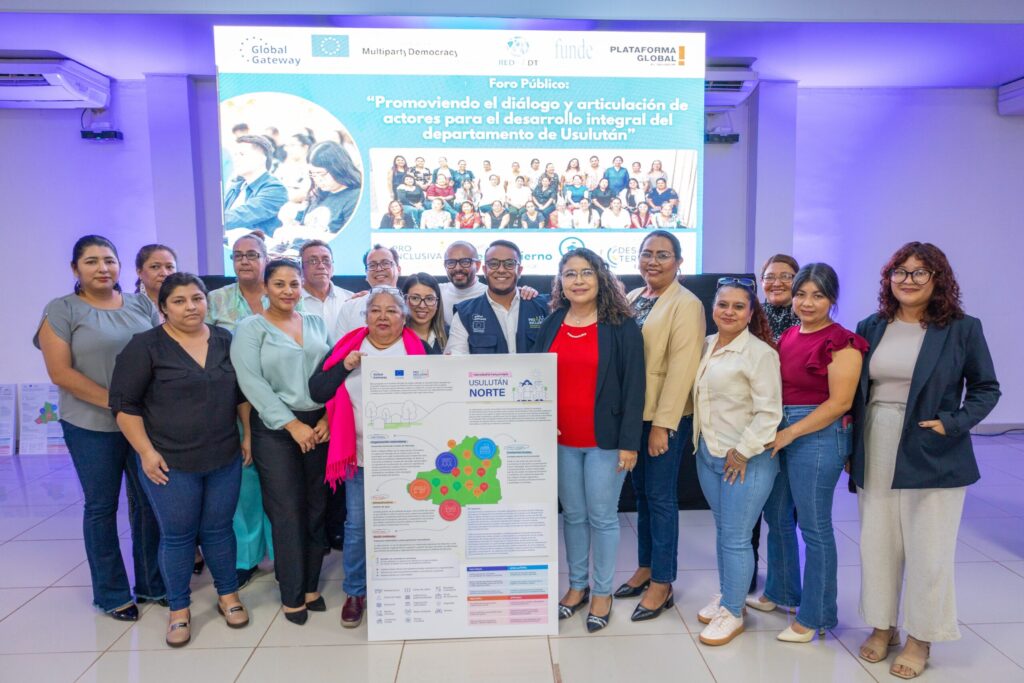
On the dialogue front, NIMD El Salvador organises and facilitates different types of dialogue sessions, with concrete and realistic objectives. For example, throughout 2025, under the Proinclusiva Project, funded by the European Union, the team developed participatory processes for the creation of social maps. The process of social mapping explores where and how people live and the available social infrastructure in each territory, after consulting with local communities. These maps were presented to local governments, giving communities a direct voice in local decision-making.
Meeting in informal spaces
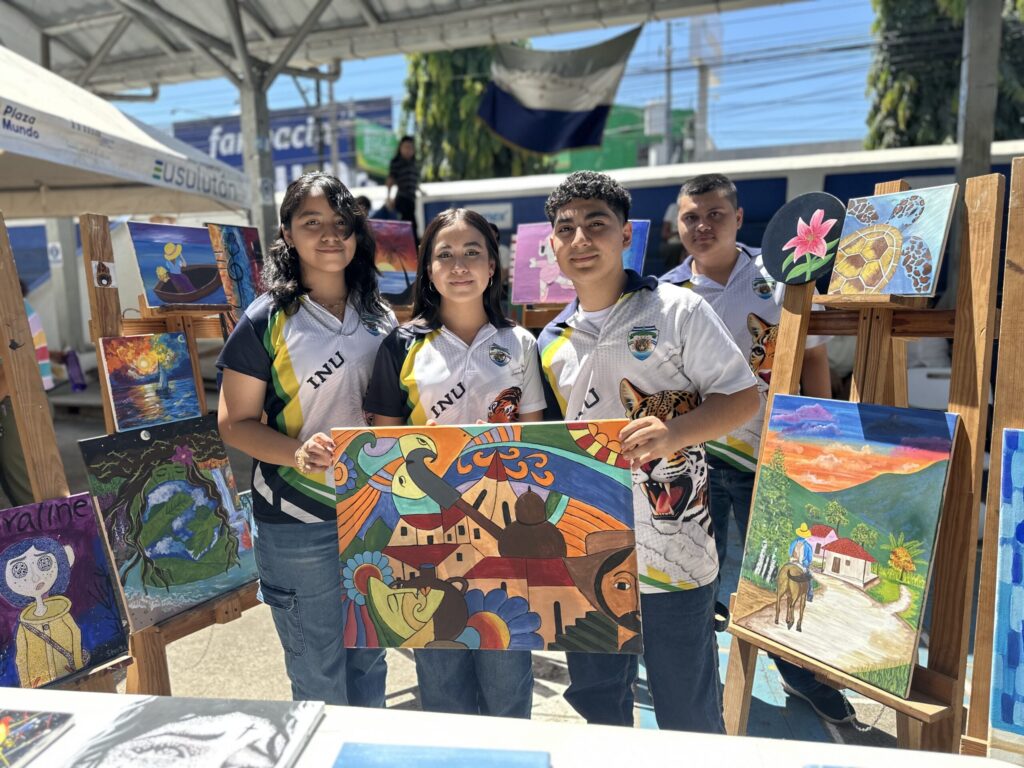
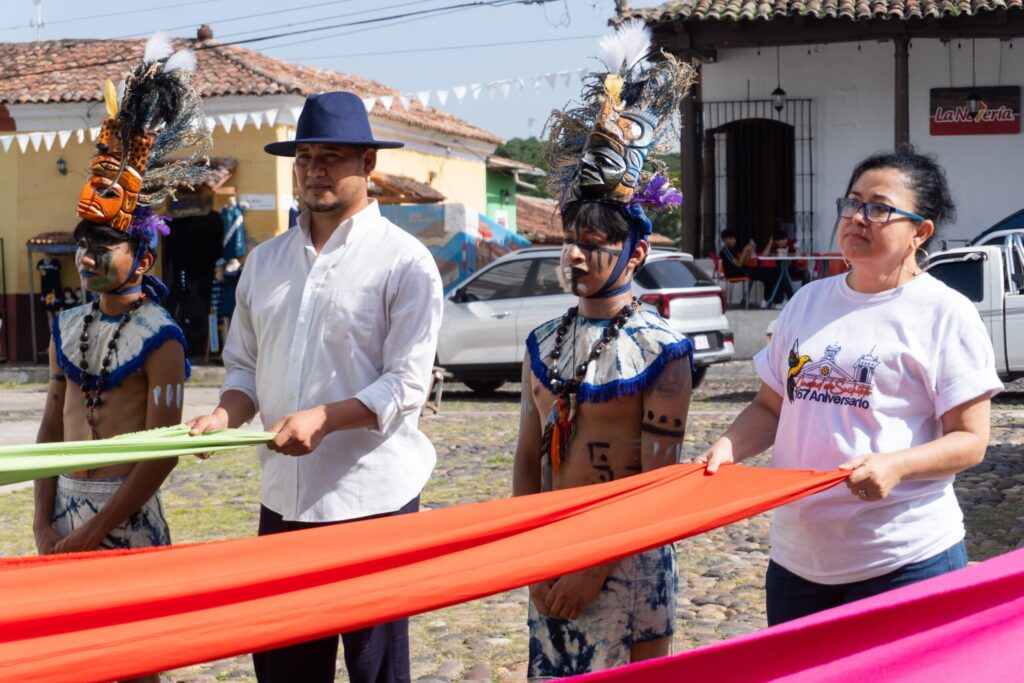
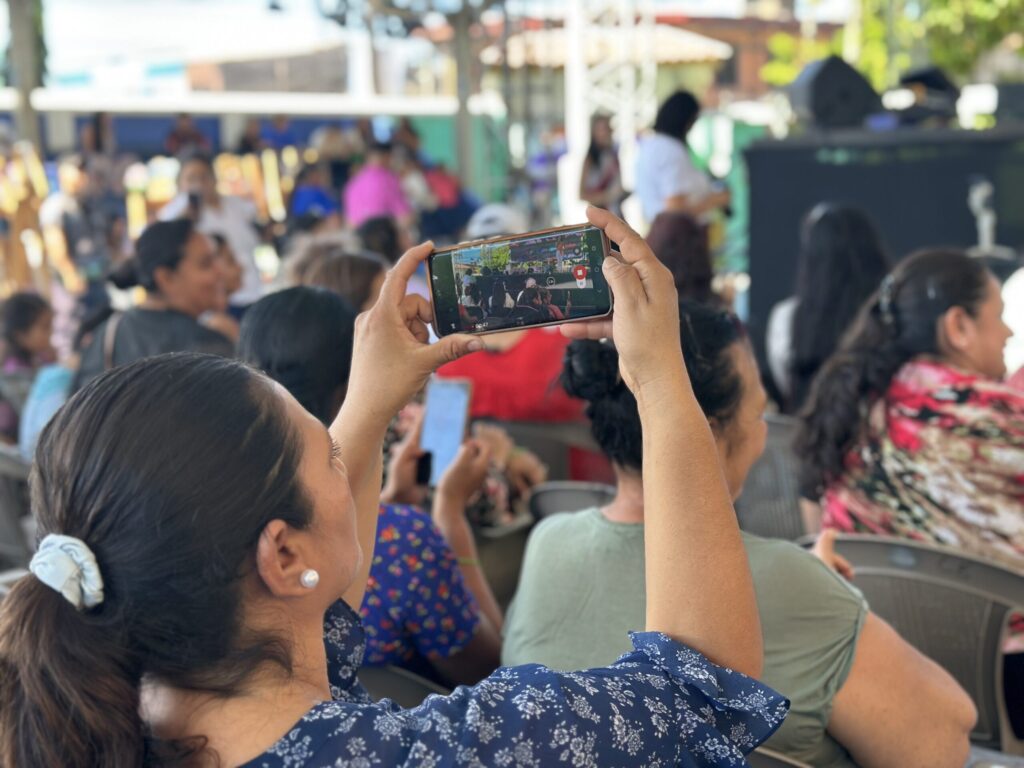
To improve the relationship between governments and the civilian population, NIMD El Salvador holds regular meetings between the two groups. And not only in the formal spaces. Rather, through informal spaces in cultural, artistic and sporting activities that promote greater social cohesion. In 2025 NIMD El Salvador organised community arts festivals across five districts, combining theatre and music performances with interactive workshops on, including – painting, drawing, and weaving, giving priority to promoting the rights of women, girls, and young people.
Together these actions highlight the importance of fostering lasting coordination between civil society and local governments. Not only at the institutional level, but also in the communities themselves. As when decision-making spaces are properly integrated with spaces for citizen engagement it creates a shared responsibility that is more inclusive and has a greater impact on people’s lives, particularly those of women and young people.
Find out more about NIMD El Salvador’s work here.