“Een quotum is niet genoeg” – vrouwen in de politiek in Burundi
 16-07-2026
 4 minuten
NIMD Burundi zet zich al jaren in om het politieke leiderschap van vrouwen te versterken. We spraken met het team over de huidige situatie, de structurele belemmeringen die nog steeds bestaan en wat er nodig is om blijvende verandering teweeg te brengen.
De vertegenwoordiging van vrouwen in de gekozen organen van Burundi is de afgelopen jaren aanzienlijk toegenomen. Hoe ziet de situatie er vandaag de dag uit?
De verkiezingen van 2025 betekenden een echte vooruitgang in Burundi, waar vrouwen nu 46% van de zetels in de Senaat, bijna 39% in de Nationale Assemblee en 32% van de zetels in de gemeenteraden bekleden. Deze aantallen zijn allemaal gestegen ten opzichte van de verkiezingen van 2020.
De grondwettelijke quota van 30% voor gekozen organen in Burundi, die in 2018 zijn ingevoerd, hebben duidelijk een rol gespeeld bij het realiseren van deze vooruitgang. Maar het beeld is niet overal even positief. Onder gemeenschapsleiders, dorpshoofden en dorpsraden blijft de vertegenwoordiging van vrouwen bijzonder laag, en hetzelfde geldt voor niet-gekozen politieke en technische functies, die volledig buiten het toepassingsgebied van het quotum vallen. Dus hoewel de cijfers aan de top bemoedigend zijn, zit het structurele probleem dieper.
Wat zijn de belangrijkste belemmeringen die vrouwen tegenhouden?
De belemmeringen kunnen worden onderverdeeld in drie hoofdcategorieën: culturele, economische en politieke belemmeringen.
Cultureel gezien is de Burundese samenleving nog steeds sterk patriarchaal. Politieke en economische functies worden algemeen beschouwd als het domein van de man, terwijl van een vrouw wordt verwacht dat zij haar maatschappelijke rol vervult door het huishouden te verzorgen. Een vrouw die de politiek ingaat, wordt daarom nog steeds vaak gezien als iemand die haar huishouden verwaarloost, een stigma dat voor veel vrouwen een reëel afschrikkend effect heeft om de sprong te wagen.
Er blijven economische belemmeringen bestaan – zo verhindert het gewoonterecht bijvoorbeeld dat vrouwen land erven, wat hun financiële onafhankelijkheid en hun mogelijkheden om een politieke campagne zelf te financieren beperkt. De Burundese man heeft hier geen last van.
En op politiek vlak staan zelfs vrouwen die wel worden gekozen onder druk om de partijlijn te volgen in plaats van op te komen voor hun lotgenoten. Zonder officiële solidariteitsnetwerken of mentorstructuren kunnen gekozen vrouwen in een isolement terechtkomen en niet in staat zijn om een gemeenschappelijke agenda door te zetten. NIMD organiseert tal van activiteiten om dit probleem aan te pakken, met name:
- Politieke discussies over het vrouwenquotum van 30%;
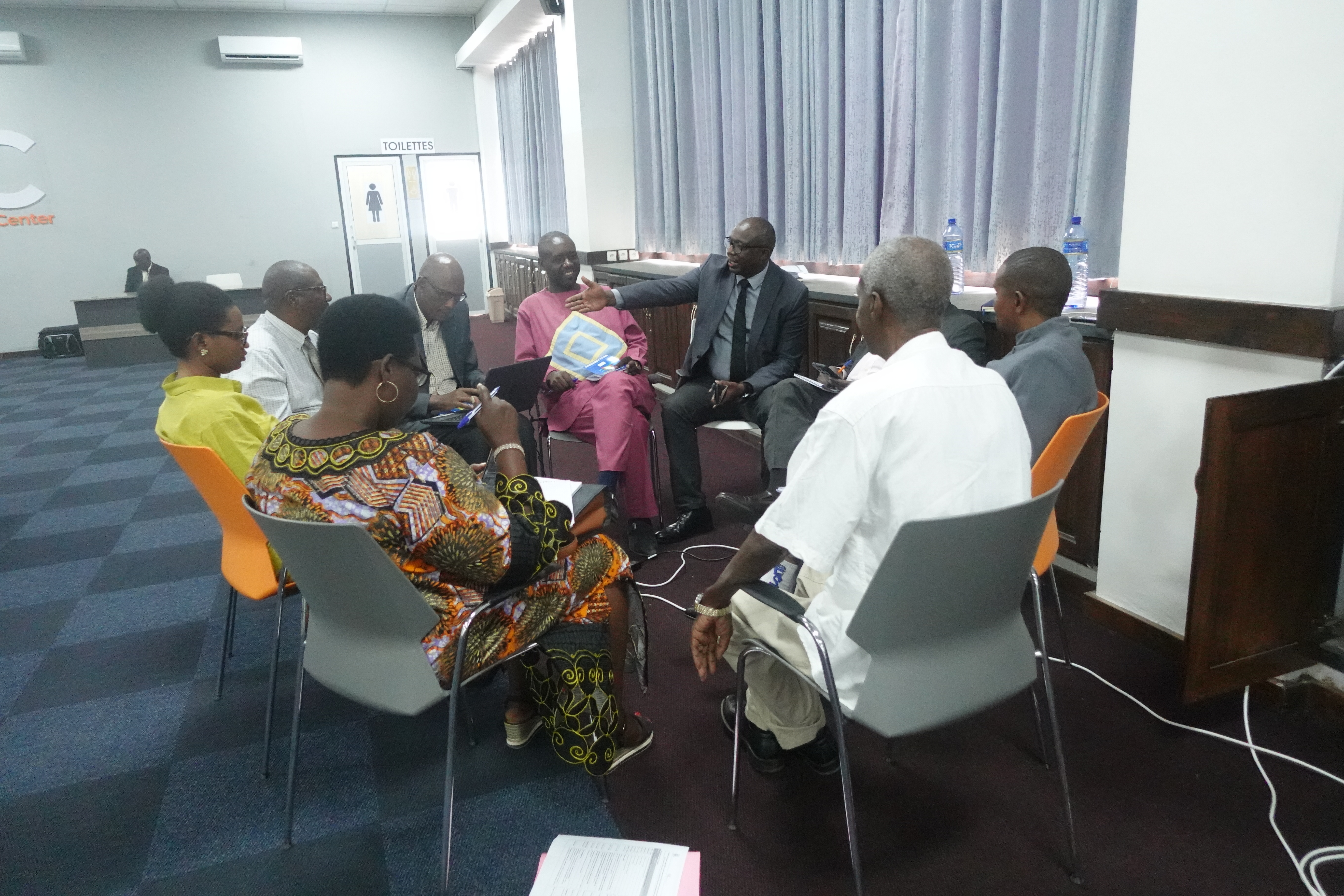
- Gesprekken aan de salontafel over politiek leiderschap van vrouwen en inclusieve democratie;
- Het opzetten van een vrouwenplatform en het ondersteunen van dit vrouwenplatform bij het vervullen van zijn taak.
Wat zou echt een verschil maken?
Er moeten verschillende zaken tegelijkertijd gebeuren. Economische zelfredzaamheid is van fundamenteel belang: zolang vrouwen voor de financiering van hun politieke betrokkenheid afhankelijk zijn van mannen of partijstructuren, blijven ze kwetsbaar. Het uitbreiden van het quotum naar lokale verkiezingen en technische functies zou een van de grootste resterende hiaten dichten. Daarnaast is er behoefte aan gestructureerde, doorlopende politieke begeleiding, zodat ervaren vrouwelijke leiders hun kennis kunnen doorgeven aan de volgende generatie.
Daarnaast moeten ook de sociale normen veranderen. Dat vereist samenwerking met invloedrijke lokale figuren om het idee dat een vrouw in de politiek niet thuishoort, publiekelijk aan de kaak te stellen.
Wat doet NIMD Burundi om deze uitdagingen aan te pakken?
Het werk van NIMD Burundi richt zich rechtstreeks op deze belemmeringen, en wel op drie gebieden.
Wat normen betreft, organiseren we conferenties en debatten waar politieke actoren en vooraanstaande figuren uit de gemeenschap bijeenkomen om te pleiten voor politiek leiderschap van vrouwen als een democratisch goed — en niet als een concessie — en zetten we ons in om gerespecteerde lokale stemmen te mobiliseren om de aanwezigheid van vrouwen in de politiek in het openbaar te normaliseren.
Wat economische zelfredzaamheid betreft, ondersteunen we vrouwen in de politiek bij het opzetten van coöperaties waarin meerdere partijen vertegenwoordigd zijn — structuren die de sociale samenhang tussen de verschillende partijen versterken en vrouwen tegelijkertijd meer financiële onafhankelijkheid bieden.
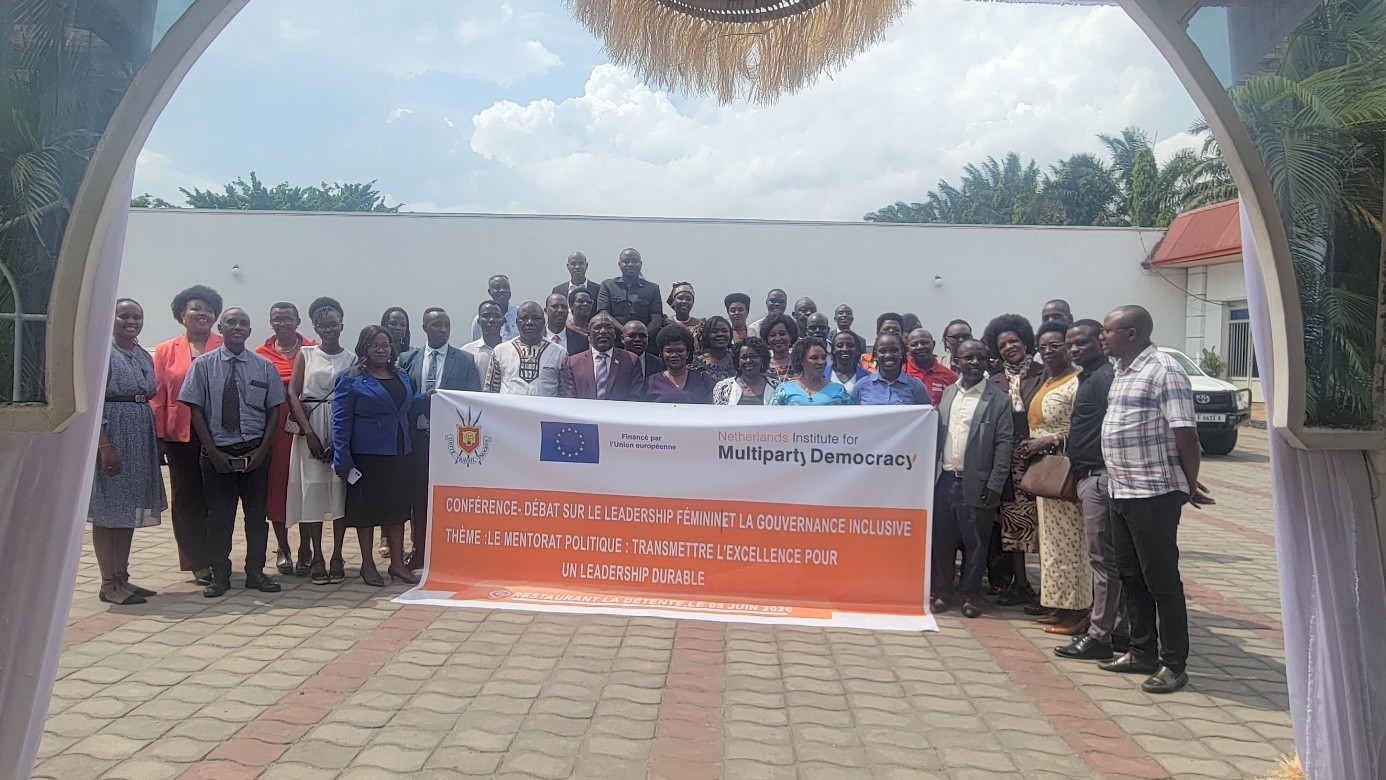
Wat betreft belangenbehartiging en capaciteitsopbouw werd tijdens een conferentie-debat in augustus 2025 de aandacht gevestigd op het ontbreken van quota bij lokale verkiezingen en wat dat betekent voor de vertegenwoordiging van vrouwen op basisniveau. We hebben ook trainingssessies voor politieke partijen georganiseerd die gericht waren op inclusieve, genderbewuste interne democratie, en recentelijk, in juni 2026, hebben we een conferentie over politieke mentoring georganiseerd – waarbij we vrouwelijke leiders opriepen om te investeren in de volgende generatie en partijoverschrijdende coalities te vormen die een gezamenlijke agenda kunnen bevorderen die verder reikt dan individuele verkiezingscycli.
Verkozen worden is één ding, maar in de politiek blijven is iets heel anders. Wat is er nodig om ervoor te zorgen dat vrouwen hun machtsposities kunnen behouden?
Dit is waar de meeste programma’s van organisaties die zich richten op de politieke participatie van vrouwen tekortschieten. Er wordt veel aandacht besteed aan het gekozen krijgen van vrouwen, maar veel te weinig aan wat er daarna gebeurt. Eenmaal in functie worden vrouwen vaak geconfronteerd met druk om zich aan te passen aan partijstandpunten, politieke en sociale intimidatie, en het risico om steun – financieel of anderszins – te verliezen als ze buiten de lijntjes treden.
Om dit te ondervangen is voortdurende ondersteuning nodig:
- Begeleiding die ook na de verkiezingen doorgaat, en niet alleen daarvoor.
- Duurzame mentor-mentee-relaties tussen ervaren en nieuw gekozen vrouwen.
- Partijoverschrijdende solidariteitsnetwerken, zodat geen enkele vrouw in haar eentje een impopulair standpunt hoeft te verdedigen.
- Bescherming tegen intimidatie, zowel binnen de partijstructuren als online.
- Echte economische onafhankelijkheid, zodat het intrekken van financiële steun niet als controlemiddel kan worden ingezet.
Het quotum heeft de deur geopend, maar om die open te houden is een meer duurzame aanpak nodig.
NIMD Burundi zet zich in om de basis te leggen voor vreedzame, inclusieve verkiezingen in Burundi door de interne capaciteit van politieke partijen te versterken; de bestaande en opkomende dialoog tussen politieke actoren over belangrijke kwesties te bevorderen; en ervoor te zorgen dat vrouwen en gemarginaliseerde groepen over de capaciteit en de ruimte beschikken om invloed uit te oefenen op de politiek. Lees meer over hun werk hier.