Maak kennis met de NIMD Uganda Democracy Academy die leren van burgers omzet in gestructureerde, door jongeren geleide politieke actie
 12-05-2026
 4 minuten
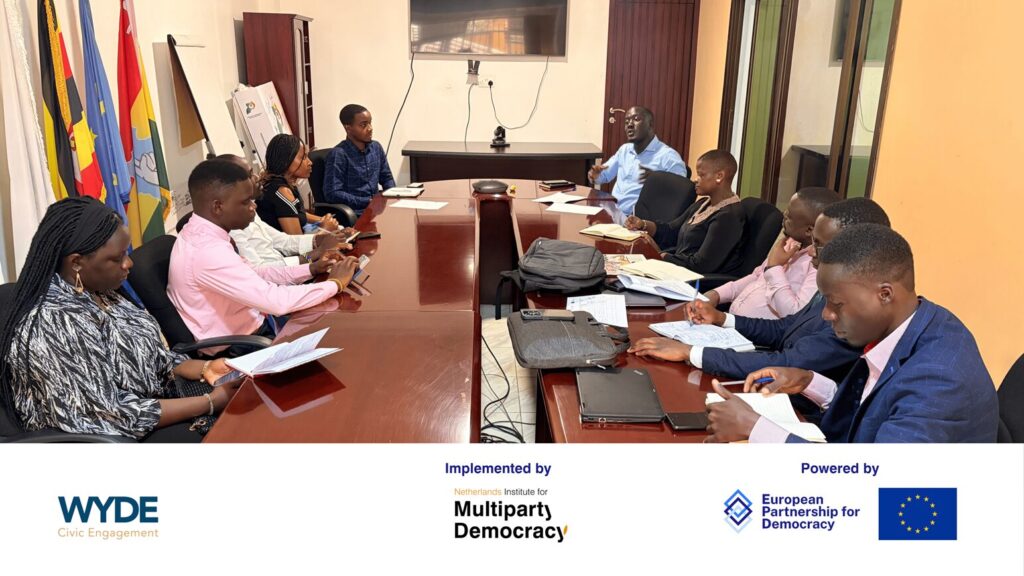
“We zijn hier om te organiseren, niet om tegen te werken.” Akiim Ssenyonjo, UDA Alumni 3e Cohort
De helft van de 45 miljoen inwoners van Oeganda is jonger dan 18 jaar en 23,5% van de bevolking is tussen 18 en 30 jaar oud. Uit gegevens blijkt dat de meeste kabinetsleden en lokale overheidsfunctionarissen ouder zijn dan 40 jaar, wat betekent dat slechts 3,8% van de parlementsleden 30 jaar of jonger is.
De belemmeringen voor jongerenparticipatie zijn aanzienlijk: onbetaalbare campagnekosten van honderden miljoenen Oegandese shilling, beperkte burgereducatie, apathie, politiek geweld en culturele stereotypen die jongeren afdoen als onervaren of storend. Jarenlang waren discussies over jongeren en politiek in Oeganda vooral gericht op het identificeren van problemen in plaats van oplossingen.
Nu is er een nieuwe generatie jonge leiders is actie ondernemen.
Leren omzetten in leiderschap: De Oegandese Nationale Werkgroep
Het versterken van zinvolle jongerenparticipatie in democratie op nationaal, regionaal en mondiaal niveau, NIMD Oeganda de oprichting gefaciliteerd van een Nationale Werkgroep (NWG) Duurzame Politieke Participatie van Jongeren binnen de WYDE-programma voor maatschappelijke betrokkenheid om de kennis en competenties van verschillende organisaties samen te brengen. De NWG bestaat momenteel uit 12 jonge mannen en vrouwen uit verschillende regio's en politieke partijen.
De NWG draagt een dubbele verantwoordelijkheid: het vertalen van de burgerschapsvorming en leiderschapstraining die is opgedaan via de Uganda Democracy Academy (UDA) naar concrete, nationaal relevante actie en het nationaliseren van de regionale routekaart: Roadmap for Youth Political Participation in East Africa - het aanpassen van de ambities aan de specifieke politieke, sociale en economische realiteit van Oeganda. De regionale routekaart bouwt voort op alumni van Democracy Schools in Ethiopië, Kenia, Somaliland en Oeganda, als onderdeel van het WYDE Civic Engagement-programma, en bouwt tegelijkertijd aan een duurzame impact op jongeren in de politiek die verder gaat dan de doelstellingen van het programma. De regionale routekaart wordt in juli gelanceerd in Addis Abeba.
Een routekaart gemaakt door jongeren, voor jongeren
In 2025 begon NWG met het maken van een vijfjarige nationale routekaart (2026-2030) om de participatie van jongeren in de politiek in Oeganda te verbeteren. De routekaart - gebaseerd op gegevens van UBOS, Afrobarometer, en UNDP-beoordelingen - werd vormgegeven door uitgebreid inclusief overleg met jongeren, overheidsfunctionarissen, maatschappelijke organisaties en internationale partners.
Centraal in de routekaart staan de economische barrières die jongeren ervan weerhouden de politiek in te gaan. Het voeren van een levensvatbare politieke campagne in Oeganda kan 400-500 miljoen UGX kosten - ongeveer 92.000 euro - een bedrag dat de meeste jonge aspirant-politici feitelijk uitsluit. De NWG stelt voor om de nominatiekosten te verlagen tot 5-10 miljoen UGX - ongeveer 118.000 euro -, een Politiek Jongerenfonds op te richten om microsubsidies te verstrekken voor lokale campagnes en overheidsprogramma's zoals Emyooga en het Parish Development Model in te zetten om economische onafhankelijkheid te ondersteunen.
De vele trainingssessies tijdens het fellowship waren zeldzame kansen die veel jonge mensen in het hele land missen in hun zoektocht naar leiderschap. Het uitvoeren van het stappenplan voelt alsof ik een steen toevoeg aan de opbouw van het land en de kennis doorgeef die ik tijdens het fellowship heb opgedaan.” - Omia Abraham, UDA Fellowship alumni
De barrières benoemen, de oplossingen ontwikkelen
De NWG gaat openlijk in op belangrijke uitdagingen voor politieke participatie van jongeren, waaronder politiek geweld dat jongeren ontmoedigt om op zoek naar kantoor. Er zijn nog steeds verschillen tussen mannen en vrouwen: jonge vrouwen hebben te maken met intimidatie, stigmatisering en een hoog percentage tienerzwangerschappen, waardoor hun maatschappelijke betrokkenheid beperkt is. De analyse wijst ook op verkeerde informatie en gefragmenteerde jeugdgroepen die elkaar beconcurreren in plaats van samenwerken.
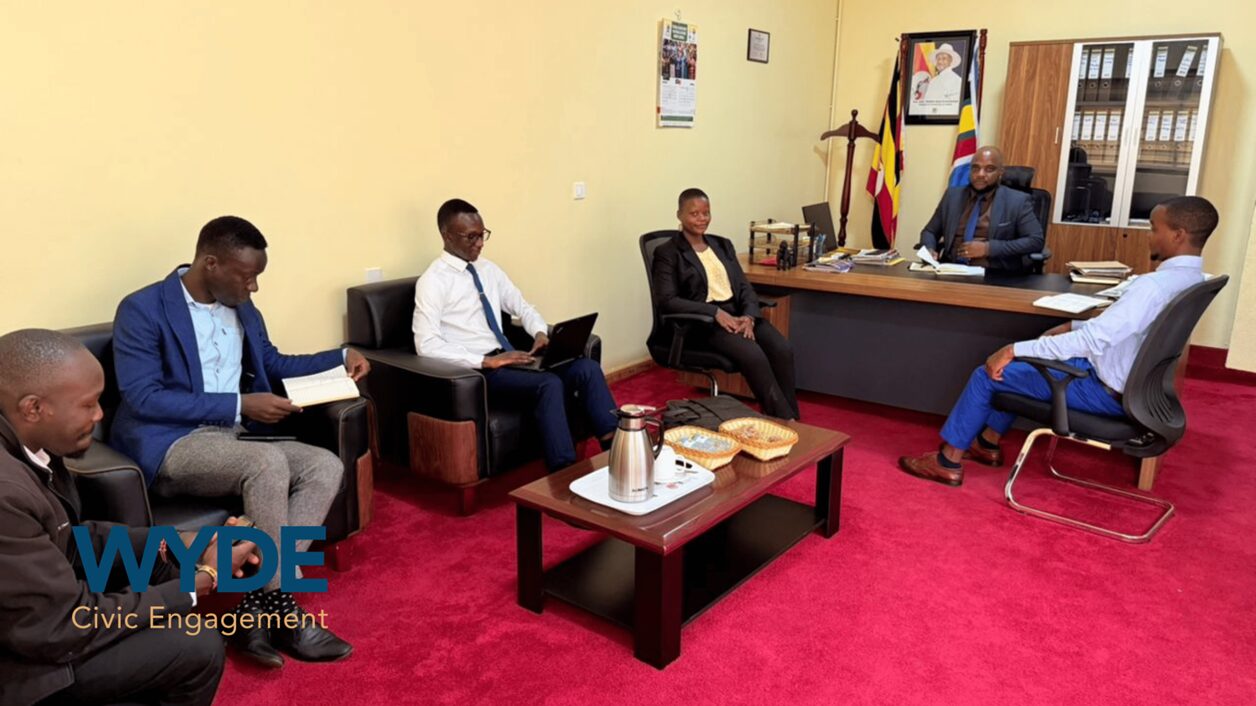
De NWG-bijeenkomst met de secretaris van het Nationaal Secretariaat voor Special Interest Groups op het ministerie van Gender, Arbeid en Sociale Ontwikkeling
Om deze problemen aan te pakken, verbindt de routekaart zich ertoe om jaarlijks het verkiezingsgeweld te documenteren om de bewustwording te vergroten en pleitbezorging te ondersteunen via de media en mensenrechtenpartnerschappen, terwijl ook de burgereducatie wordt versterkt door jongeren via een gestructureerd programma op te leiden in leiderschap en beleidsbeïnvloeding.
“De belangrijkste obstakels waarmee jonge vrouwen in de politiek te maken krijgen, zijn vooroordelen en stereotypen op basis van geslacht, aannames over leiderschap en capaciteiten, en ondervertegenwoordiging, waarbij het moeilijker is om door te breken als er minder vrouwen in een functie zijn. De routekaart pakt deze belemmeringen aan door bewustwording te vergroten, vooroordelen te benoemen, beleid en training te implementeren om de invloed ervan te erkennen en een dialoog op gang te brengen om de mentaliteit te veranderen.” - Ronah Gumoshabe, UDA Alumni 3e Cohort.
De rol van NIMD Oeganda: Meelopen, niet vooruitlopen
“De Academy bood ons een veilige ruimte om over de partijgrenzen heen vertrouwen op te bouwen, en dat is een zeldzaamheid in de Oegandese politiek. In de NWG gebruik ik die basis om de generatiekloof te overbruggen en de partijoverschrijdende solidariteit te bevorderen die nodig is om de inclusieve, levendige democratie te bereiken die wordt beschreven in onze Nationale routekaart voor duurzame jongerenparticipatie in de politiek.” - Basalirwa Jonathan, UDA Fellowship alumni
Sinds de oprichting werkt UDA aan het overbruggen van de kloof tussen de democratische idealen en de democratische realiteit van Oeganda, met name voor jongeren. Via de Academy biedt NIMD onpartijdige burgerschapseducatie, leiderschapsontwikkeling en partijoverstijgende dialoogplatforms, en bouwt zo cohorten op van politiek actieve jonge Oegandezen die het geleerde op een georganiseerde, duurzame en impactvolle manier toepassen en de vlag voor democratie in hun gemeenschappen zwaaien.
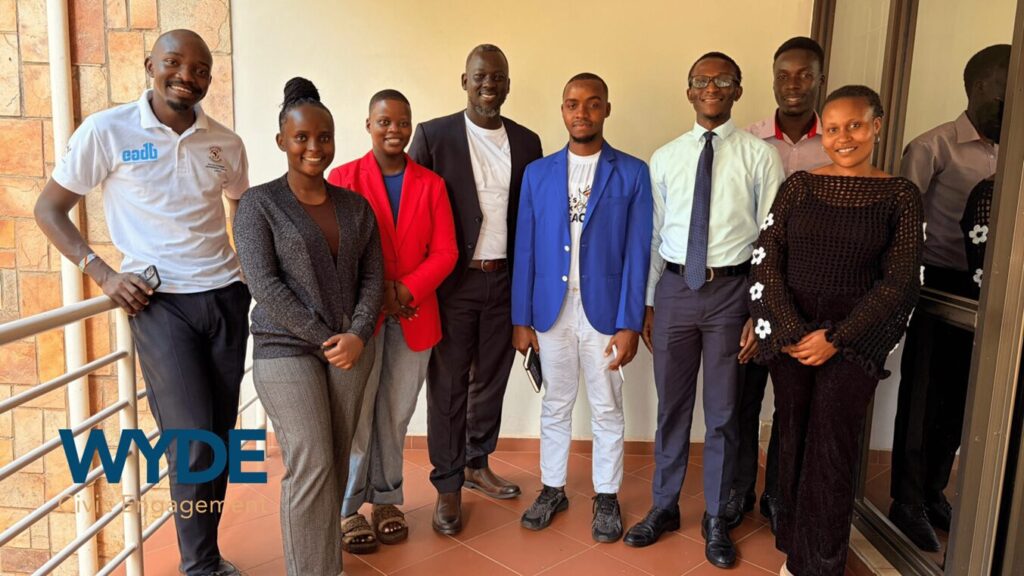
De NWG ontmoet de leiding van het Christen Democratisch Internationaal Centrum
Vooruitblik: De inzet kan niet hoger zijn
Na de algemene verkiezingen van 2026 heeft de NWG ambitieuze maar haalbare doelen gesteld: een toename van het aantal kandidaturen van jongeren met 20% tegen 2028 en een vertegenwoordiging van 15-20% jongeren in het parlement tegen 2030. Als deze veranderingen succesvol zijn, kunnen ze aanzienlijke economische dividenden opleveren en helpen om de bbp-groei te stimuleren tot 6-7% per jaar en om de verkiezingsvolatiliteit in de meest omstreden regio's van het land te verminderen.
Maar afgezien van de statistieken is dit een verhaal over erbij horen. Over jonge Oegandezen die, direct en indirect, te horen hebben gekregen dat politiek niets voor hen is, maar die samen besluiten dat politiek wel iets voor hen is. De Uganda National Working Group wacht niet op een plaats aan tafel. Ze bouwen er een op.
“Onze verwachtingen zijn hooggespannen en positief, omdat de routekaart zich richt op de juiste mensen en gericht is op het oplossen van de exacte, bestaande uitdagingen waarmee we worden geconfronteerd tijdens onze politieke reizen. We zijn een partnerschap aangegaan met belanghebbenden die de heersende situatie ter plaatse begrijpen en ons doel delen: het creëren van een duurzame omgeving voor jongeren in de politiek. We zijn hier om te organiseren, niet om tegen te werken.” - Akiim Ssenyonjo, UDA Alumni 3e Cohort
WYDE Civic Engagement in Uitgevoerd door het Nederlands Instituut voor Meerpartijendemocratie en ondersteund door de Europese Unie en het Europees Partnerschap voor Democratie (EPD). Het WYDE Civic Engagement project is een onderdeel van het Youth and Women in Democracy Initiative (WYDE) van de Europese Commissie.