

Naar inclusief bestuur: Het maatschappelijk middenveld en de toekomst van wetgevende participatie in Somalië
 17-03-2026
 2 minuten
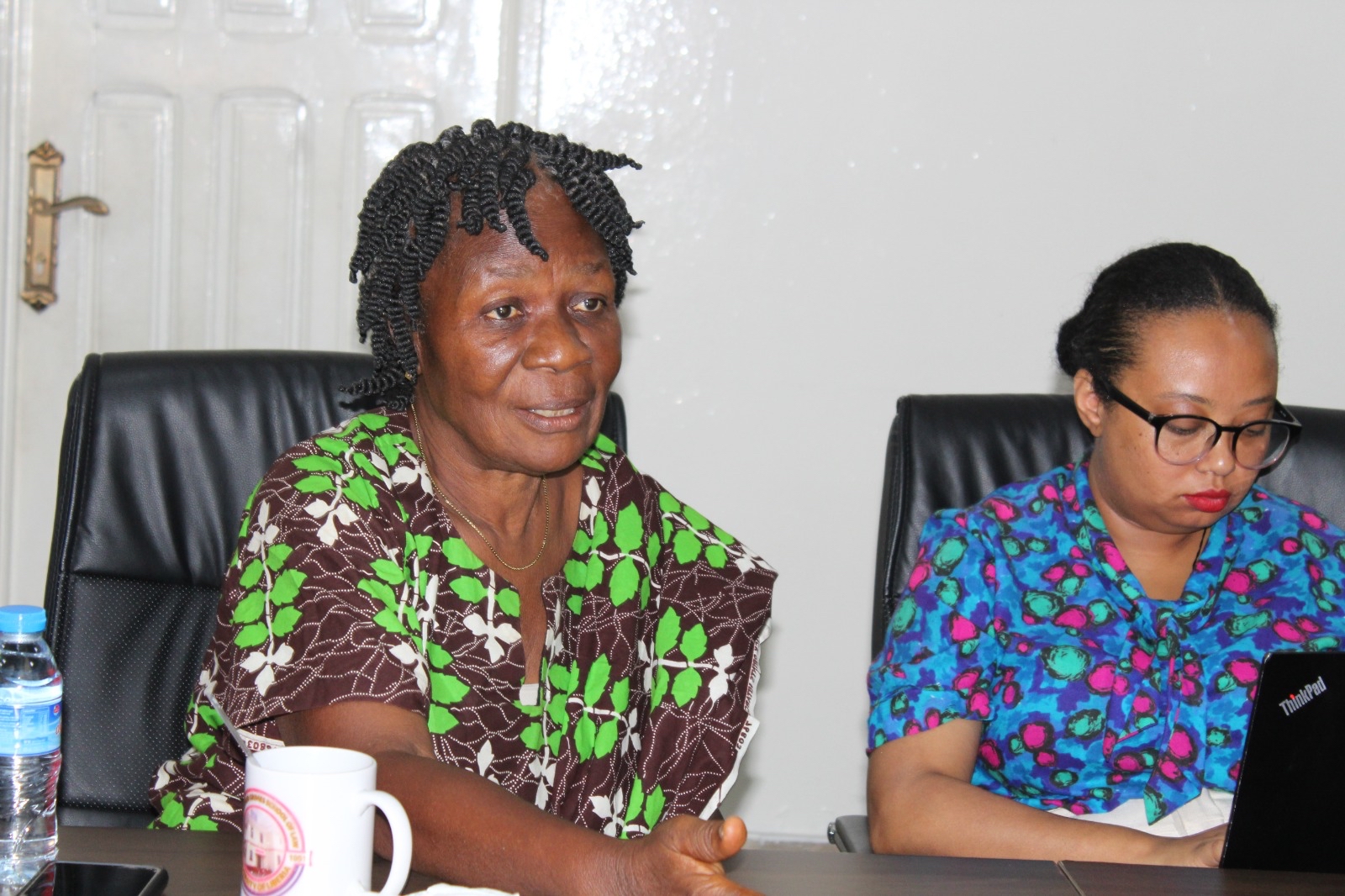
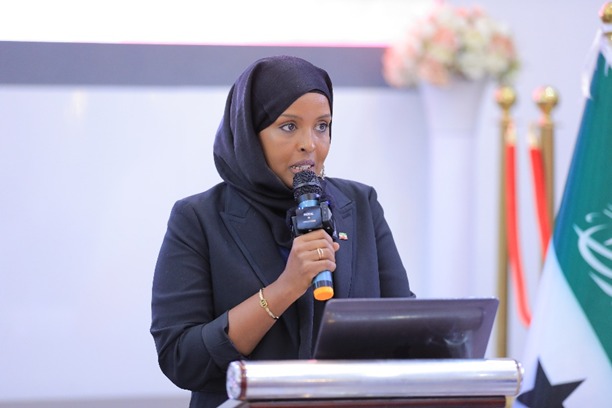
Maatschappelijke organisaties (CSO's) in Somalië spelen een cruciale rol in het overbruggen van de kloof tussen burgers en staatsinstellingen, in het bijzonder de wetgevende macht. Hun deelname aan het wetgevende proces blijft echter sterk beperkt door structurele, wettelijke en politieke beperkingen. Ondanks pogingen om hun betrokkenheid te vergroten, blijven maatschappelijke organisaties grotendeels uitgesloten van een zinvolle betrokkenheid bij wetgeving, beleidshervorming en parlementair toezicht.
Als onderdeel van het Gole-kaab project werkt NIMD samen met Somalische NGO's om deze trend te keren. We streven ernaar maatschappelijke organisaties te helpen hun rechtmatige plaats in te nemen in de Somalische democratie.
Beperkte toegang, beperkte stem: Uitdagingen die deelname van maatschappelijke organisaties belemmeren
Een van de grootste uitdagingen in Somalië is het ontbreken van een wettelijk kader dat de deelname van maatschappelijke organisaties aan parlementaire processen definieert of vergemakkelijkt. Hoewel beide kamers van het parlement procedureregels hebben die subcomités aanmoedigen om belanghebbenden te betrekken, worden deze bepalingen niet consequent toegepast. Maatschappelijke organisaties worden af en toe uitgenodigd voor overleg over wetsontwerpen, maar hun inbreng wordt zelden weerspiegeld in definitieve wetten. Dit maakt een dergelijke betrokkenheid grotendeels symbolisch.
Daar komt nog bij dat er geen formeel mechanisme bestaat waarmee maatschappelijke organisaties voorstellen kunnen indienen, wetsontwerpen kunnen beoordelen of wetgeving kunnen volgen. Dit heeft geleid tot een wijdverspreide perceptie bij maatschappelijke organisaties dat de wetgevende ruimte niet alleen ondoorzichtig maar ook ontoegankelijk is. Tegelijkertijd voeren verschillende ministeries wetten selectief uit of stellen ze de handhaving ervan helemaal uit. Dit ondermijnt verder de relevantie van feedback van maatschappelijke organisaties en de publieke verantwoordingsplicht.
Ook de begrotingsprocessen zijn gesloten. Maatschappelijke organisaties spelen geen rol bij het opstellen van de begroting of het bijhouden van de uitgaven, en zelfs parlementaire subcommissies ontvangen financiële voorstellen vaak pas op het laatste moment, waardoor zowel herziening als debat worden beperkt. Dit isoleert het maatschappelijk middenveld verder van een van de meest kritieke gebieden van democratische verantwoording.
Versterking van het wetgevingsproces door burgerlijk toezicht
Dat is waar Gole-kaab om de hoek komt kijken. Vrij vertaald “parlementen en lokale raden versterken”, is Gole-kaab een door de EU gefinancierde actie met een looptijd van 36 maanden. Via het project willen we vertrouwen opbouwen en sterke relaties tot stand brengen tussen het parlement, het maatschappelijk middenveld en de burgers van Somalië.
Als onderdeel van het project heeft NIMD gewerkt aan het wetgevingsproces in Somalië. We streven naar een formeel moment tijdens de commissiefasen waarin maatschappelijke organisaties bijdragen aan wetsontwerpen.
Dankzij Gole-kaab hebben werkgroepen van maatschappelijke organisaties onlangs toegang gekregen tot wetsontwerpen en bijgedragen aan de ontwikkeling ervan vóór de laatste lezingen. Dit heeft de transparantie van de wetgevingsprocedures vergroot. Met de inbreng van maatschappelijke organisaties kunnen de wetten een betere afspiegeling zijn van de publieke en lokale belangen.
Wat is Gole-kaab?
Het Gole-Kaab project wordt uitgevoerd door NIMD Somali en drie maatschappelijke organisaties:
- Somalische vereniging van niet-statelijke actoren (SONSA): Leidt de samenwerking op federaal niveau met het Parlement.
- Niet-statelijke actorenvereniging van Puntland (PUNSAA): Leidt de samenwerking op staatsniveau met het parlement van Puntland en versterkt de stem van niet-statelijke actoren in Puntland.
- Centrum voor democratie en duurzame ontwikkeling (CDSD): Ondersteunt de implementatie op staats- en districtsniveau in Puntland.
Samen ondersteunen we maatschappelijke organisaties om het bewustzijn van burgers en hun deelname aan parlementaire procedures in Somalië te vergroten. Ons belangrijkste doel is om ervoor te zorgen dat alle groepen worden gehoord - het versterken van de stem van burgers en het vergroten van de rol van maatschappelijke organisaties in het bepleiten van de eisen van burgers in het besluitvormingsproces. We streven er ook naar om het toezicht van burgers op de parlementen op federaal en staatsniveau in Somalië te verbeteren. We geven prioriteit aan de belangen van het volk en ondersteunen staatsopbouw en vredesopbouw door middel van effectief toezicht op de parlementaire werkzaamheden. Uiteindelijk probeert ons project de aanname van wetten en beleid te bevorderen die de rechten van burgers beschermen en in hun behoeften voorzien.
Dit project wordt gefinancierd door de Europese Unie.